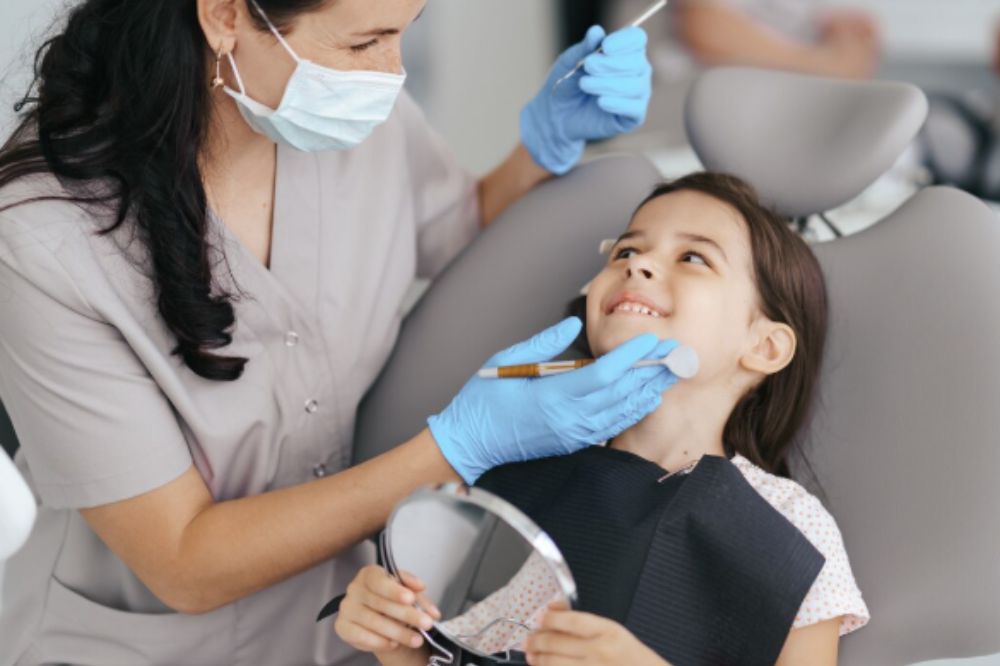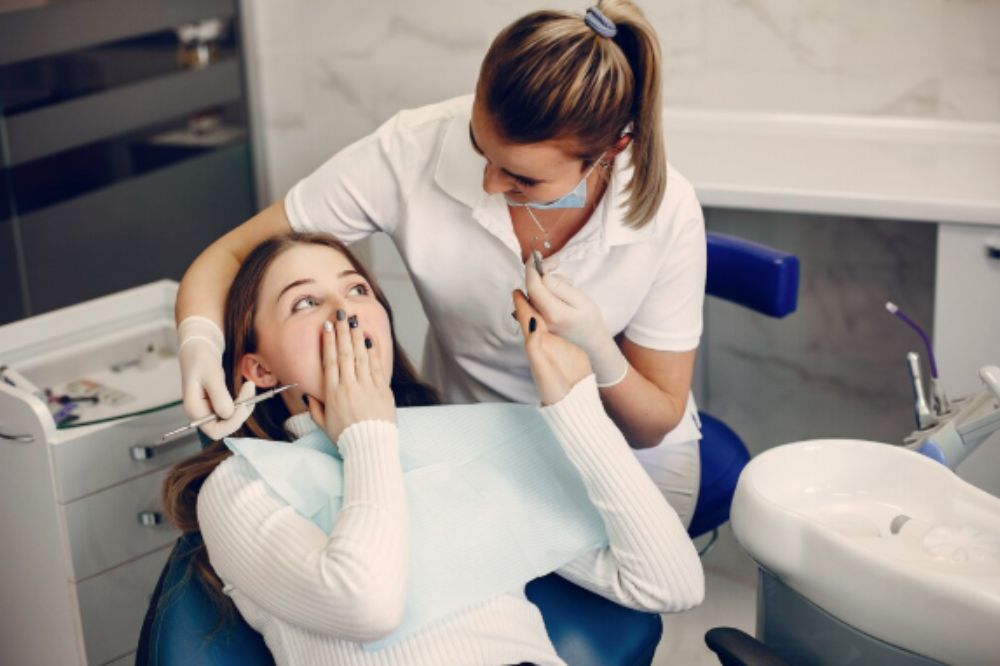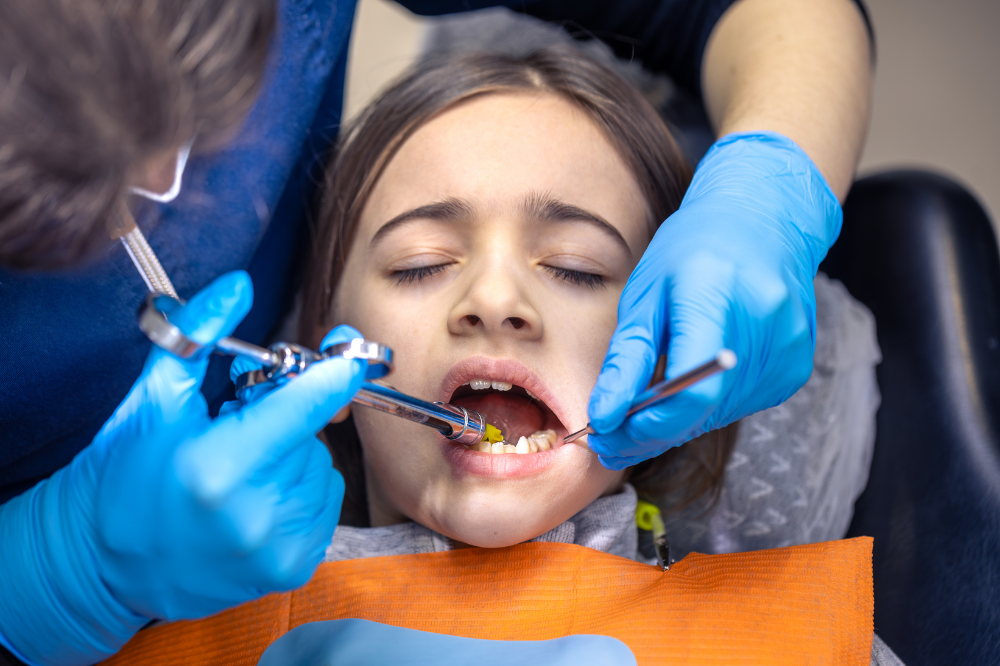
What should you do in the event of a dental accident at home, while playing, or eating? Dental injuries can happen all of a sudden. Having a kit at the ready will help you stay calm and manage the situation until you get to the dentist. Pediatric dentistry in San Carlos usually informs families about common dental emergencies. This is especially true for active children, who may sustain minor injuries during their routine activities.
Knowing what to include in a dental emergency kit helps reduce stress and enables quick action when unexpected situations arise.
Why a Dental Emergency Kit Is Important
A dental emergency kit helps manage sudden issues such as tooth pain, a broken tooth, or soft-tissue injury until professional care is available.
If you are looking for emergency dentistry for children near you, quick first aid can help reduce discomfort and protect the affected tooth.
A well-prepared kit can help:
- Reduce pain temporarily
- Control minor bleeding
- Protect a knocked-out or broken tooth.
- Prevent further damage
- Support safer handling before dental care.
What Is a Home Dental Emergency Kit?
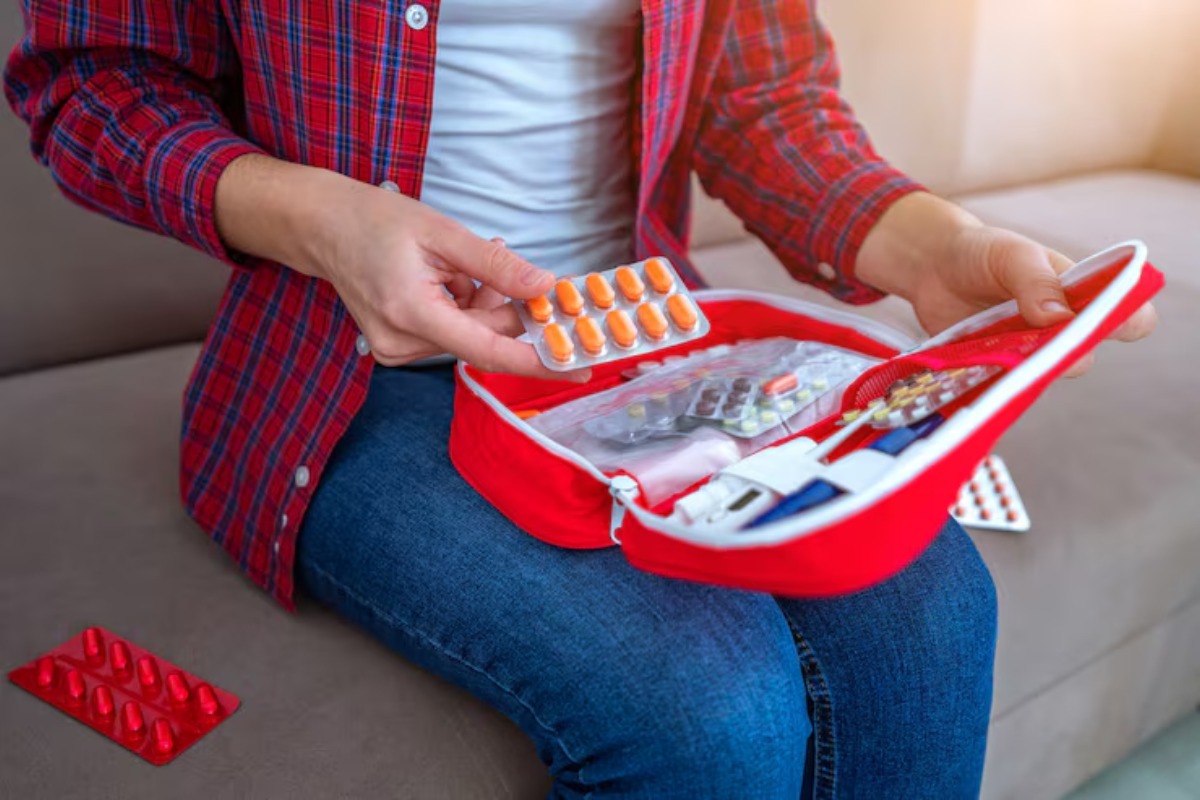
A Home dental emergency kit is a small collection of basic items used to manage dental injuries at home. It is not a replacement for dental care, but it helps in the first moments after an incident.
A simple kit can be stored in a clean, dry container and kept easily accessible at home or on the go.
Essential Items to Include in the Kit
A dental emergency kit should include simple, safe items to help manage common situations.
- Clean Gauze Pads: Used to control bleeding after an injury or tooth loss.
- Small Container With Lid: Helps store a knocked-out tooth safely if needed.
- Saline Solution: Used to gently rinse the mouth or clean a tooth without irritating it.
- Pain relief gel (child-safe): Helps ease mild pain when used correctly.
- Cold compress pack: Helps reduce swelling and calm pain on the outside of the cheek.
- Soft tissue or cloth: Gently cleans or protects sore areas inside the mouth.
- Gloves: Help maintain cleanliness when handling kit items.
How to Use a Dental Emergency Kit Safely
Knowing how to use the kit is just as important as having one.
For Tooth Pain
- Rinse mouth gently with warm water.
- Use a cold compress on the outside of the cheek.
- Keep the area clean until dental care is available.
For a Knocked-Out Tooth
- Hold the tooth by the crown, not the root.
- Rinse gently if dirty, without scrubbing.
- Store in a container with milk or saline solution
- Visit a dental professional immediately.
For Broken or Chipped Tooth
- Rinse mouth gently
- Save any broken pieces if possible.
- Apply a cold compress to reduce swelling.
When to Seek Professional Dental Care
A dental emergency should always be checked by a professional, especially when symptoms are severe or persistent.
Care should be sought if:
- A tooth is knocked out.
- Pain does not go away.
- There is swelling in the face or gums.
- A tooth is broken or cracked deeply.
- Bleeding does not stop.
Quick action helps prevent complications and supports better outcomes.
How Families Can Stay Prepared
Being ready can make dental emergencies easier to handle.
Useful steps below.
- Keep the kit in a suitable place.
- Inspecting stock regularly.
- Educating kids about essential safety rules.
- Compiling contact numbers for emergencies
- Keeping calm during an emergency.
- Staying calm during an emergency
A prepared home can better handle sudden dental problems.
Why Children Need Special Attention in Dental Emergencies
Children are more likely to experience dental injuries during play, sports, and learning activities.
A home dental emergency kit is very helpful for families with young children. It gives quick help before you can see a dentist.
Soft tissues, developing teeth, and active behavior all make quick response important.
How Emergency Care Supports Long-Term Oral Health
Acting hurriedly during a dental emergency helps.
- Guarding teeth coming in.
- Mitigate recurrent harm.
- Stop the problem from spreading.
- Aid the healing process.
- Ensure teeth are in the right position.
Even a small injury must not be overlooked, as it can harm future oral health.
Stay Ready for Dental Emergencies With Confidence!
Being prepared at home can help you respond quickly and calmly when a dental emergency happens. Having the right guidance and support in place can make it easier to manage unexpected situations until professional care is available. Schedule a visit today to learn more about emergency dental care options and how to keep your family prepared at Peninsula Children’s Dentistry.
FAQs
What is the most important item in a dental emergency kit?
Clean gauze and a container are very important. They can help control bleeding or safely store a knocked-out tooth.
Can a knocked-out tooth be saved?
Yes, sometimes it can be saved if it is handled carefully and treated quickly by a dentist.
Should pain medication be included in the kit?
Only child-safe products recommended by a healthcare provider should be used.
How often should the kit be checked?
It should be checked every few months to ensure items are clean and usable.