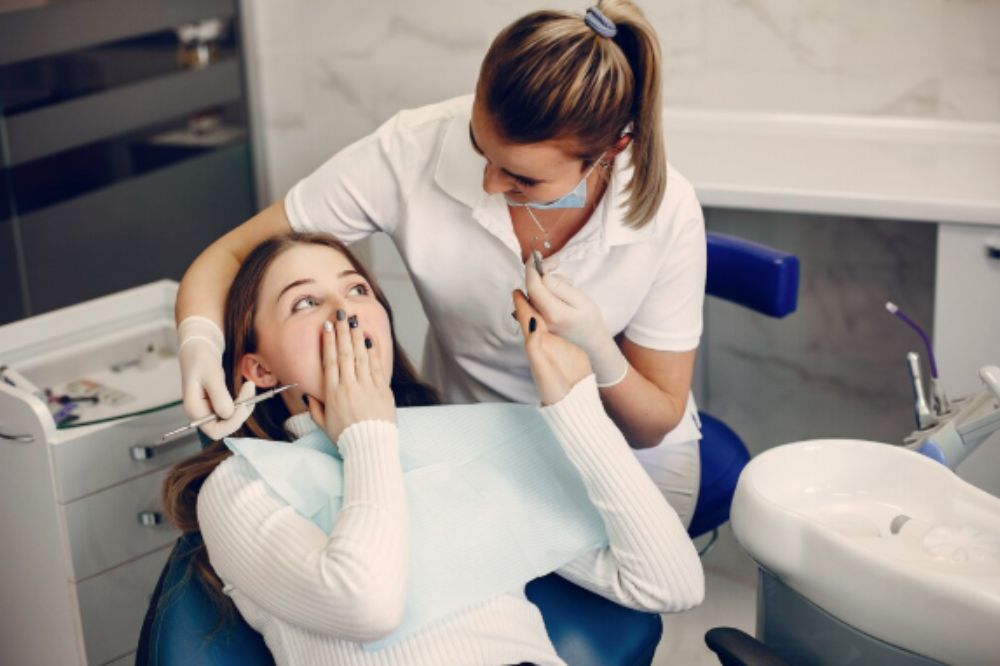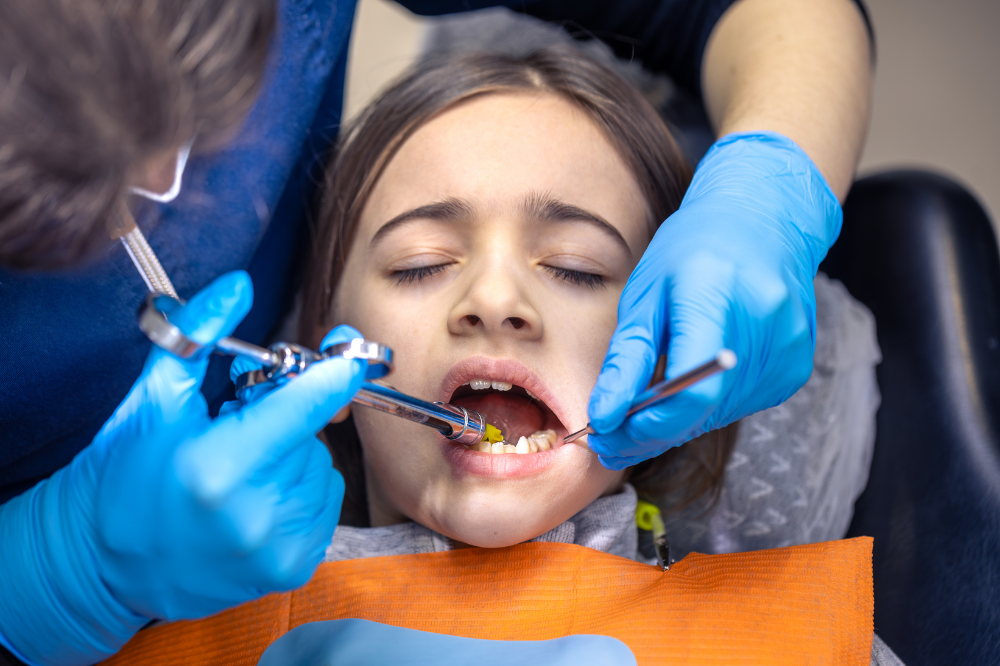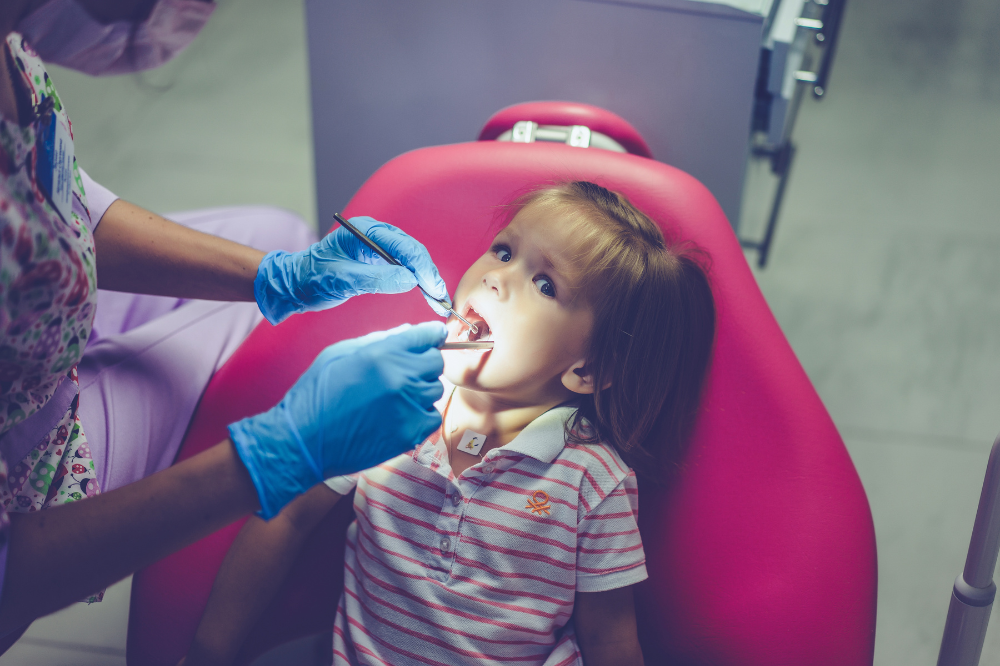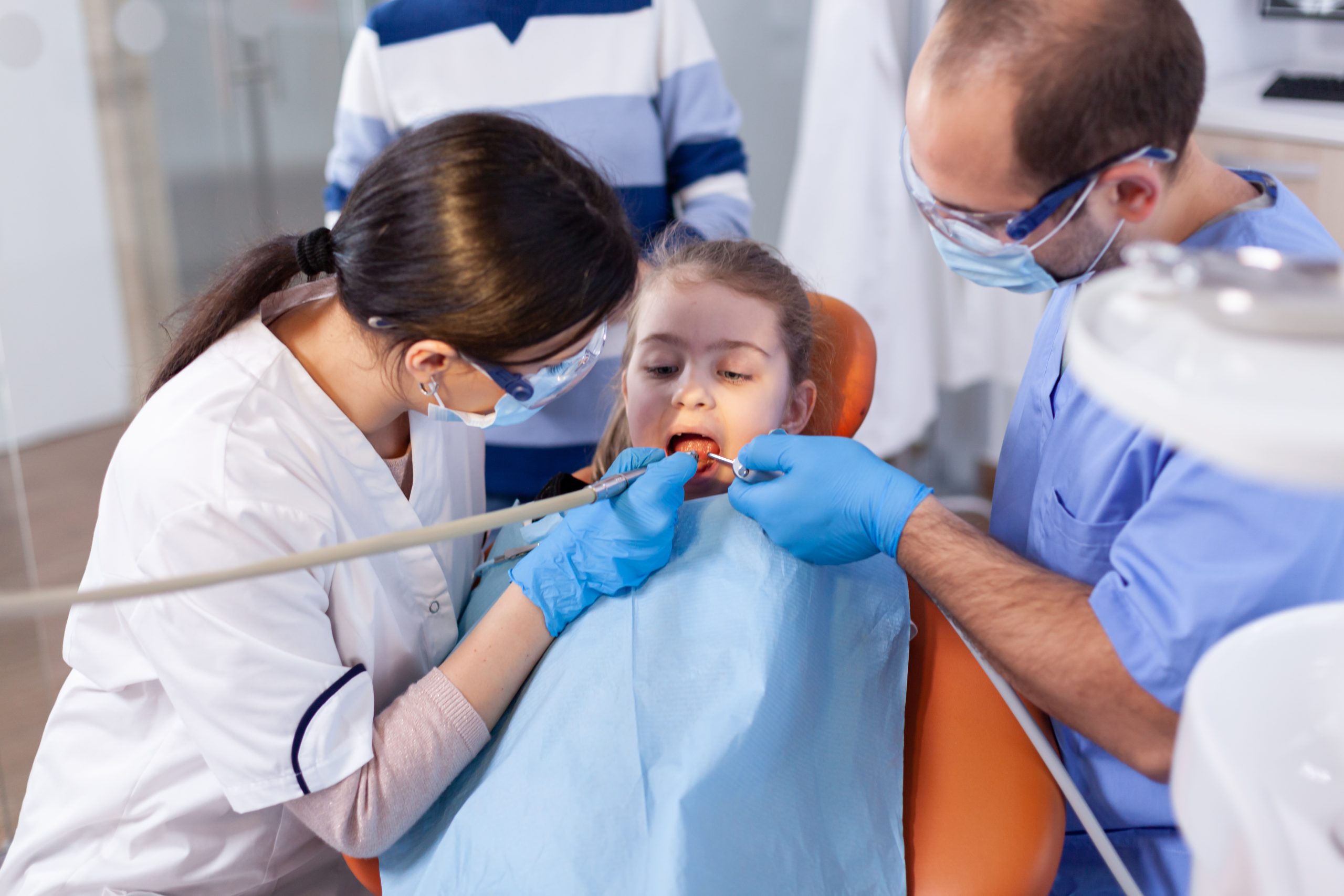
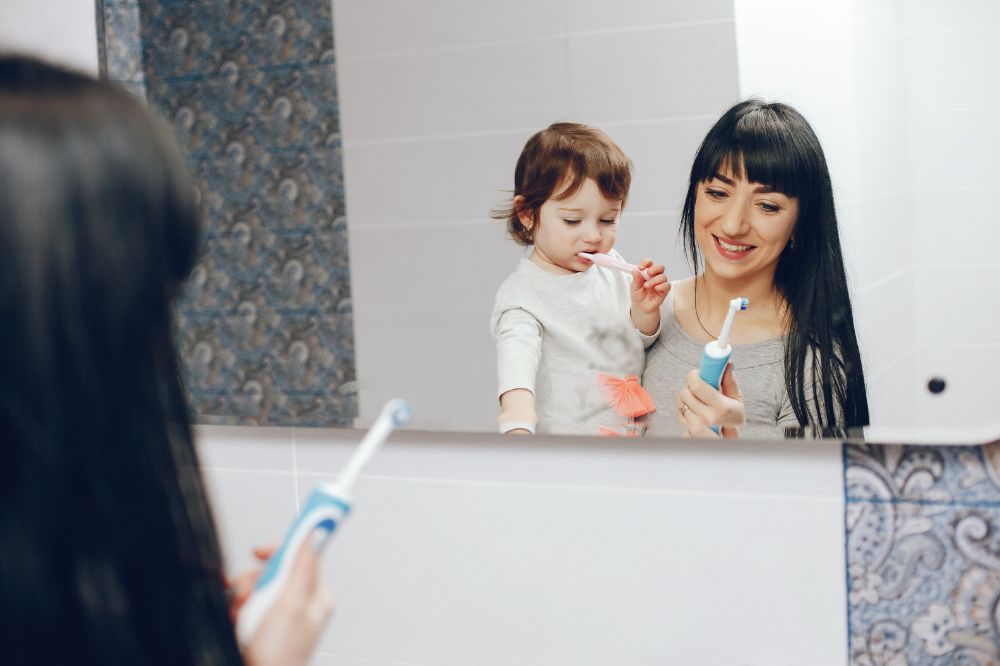
You should start dental care for your baby as soon as their first tooth pops up or by their first birthday. Even before teeth appear, it is a good idea to wipe your baby’s gums with a clean, wet cloth after feedings. This simple step helps keep their mouth clean and gets them ready for a lifetime of healthy smiles.
Why is Early Care Important?
Many parents think baby teeth don’t matter much because they eventually fall out. However, the pediatric dental office you visit will explain that these teeth are very important placeholders. They save space for adult teeth and help your child learn how to speak and chew properly.
Starting visits early also helps your child feel safe and happy at the office. It prevents “dental fear” before it even starts. When a child sees the dentist as a friend from a young age, they are much more likely to keep up with their health as they grow older.
Setting Up a Healthy Routine
Good habits start at home before you even walk through our doors. Keeping up with baby dental hygiene is easy once you make it part of your daily rhythm. You should aim to clean your baby’s mouth at least twice a day once in the morning and once right before bed.
| Age | What to Do |
| 0 to 6 Months | Wipe gums with a soft, damp washcloth. |
| 6 to 12 Months | Use a tiny, soft toothbrush with a smear of toothpaste. |
| 1 to 3 Years | Brush twice a day and start showing them how to spit. |
| Checkups | Visit the dentist every six months. |
What Happens During the First Visit?
The first visit is very gentle and quick. It is mostly about making sure your child is comfortable. For families looking for dental care for your baby in San Carlos, the visit usually happens while the baby sits in the parent’s lap. This “knee-to-knee” exam keeps the baby feeling secure and calm.
The dentist will look for any signs of early decay and check how the jaw is growing. They will also talk to you about things like thumb sucking or using a pacifier. You will get helpful tips on how to handle teething pain without using sugary gels or snacks that can hurt new teeth.
Keeping Tiny Teeth Strong
Sugar is the biggest enemy of new teeth. Even the natural sugars in milk or juice can cause problems if they sit on the teeth for too long. Never put your baby to bed with a bottle, as this can lead to “bottle rot.” Instead, if they need a bottle at night, fill it only with plain water.
When your baby starts eating solids, offer them healthy snacks such as cheese or plain yogurt. These products are actually good for your enamel. Giving your child the best start to a beautiful, strong smile can be done by keeping the mouth clean and by choosing the right snacks.
A Bright Start for Little Smiles
We love helping the littlest patients at Peninsula Children’s Dentistry learn that dental care can be fun and exciting! Our team is here to help you at every stage, from the first tooth through the first visit from the tooth fairy. Our kid-friendly spaces ensure bringing comfort to every child and the best care possible.
Whether you have questions about your baby’s oral health or are ready to schedule their first happy visit, we’re here for your family every step of the way.
Frequently Asked Questions
When do babies usually get their first tooth?
Most babies get their first tooth between 6 and 10 months old. However, some start as early as 3 months, while others wait until they are a year old. Every baby is different!
Is it okay for my baby to suck their thumb?
Most babies have a natural urge to suck, which is normal and soothing. It usually only becomes a problem if it continues after age 3 or 4, when the permanent teeth start to move into place.
How do I help my teething baby?
A cold (not frozen) teething ring or a clean, cold washcloth can help soothe sore gums. Gently rubbing the gums with a clean finger also provides much-needed relief for your little one.
Should I use toothpaste with my baby?
Yes, but only a very tiny amount! For babies, use a smear of fluoride toothpaste about the size of a grain of rice. Once they turn three, you can move up to a pint-sized amount.