Parents often wonder if they missed the chance to protect their child’s teeth from cavities. The good news is that protecting a smile is rarely a “now or never” thing, but timing does matter.
Talking to a pediatric dentist in San Carlos early on helps you make a great plan for your child’s growing teeth. Most kids get this treatment when their adult back teeth first grow in, but older kids and even some teens can still get them.
Understanding the best time for these protective coatings helps your child stay away from the dental drill and keeps their teeth strong.
The Best Time For A Protective Shield
The best time to put on these thin covers is as soon as the adult chewing teeth fully grow in. This usually happens in two stages: once around age six and again around age twelve.
By acting fast, the deep cracks in the teeth are sealed before germs can move in and cause a hole.
While it is never truly “too late” if the tooth is healthy and has no fillings, the goal is to stop a cavity before it ever starts.
- First Back Teeth: These grow in between the ages of 5 and 7 and get cavities very easily.
- Second Back Teeth: These grow in around age 12 and need a shield as your child enters their teen years.
- Deep Cracks: Teeth with very deep pits get the most help from a smooth, painted-on layer.
- Easy Brushing: Sealed teeth are much easier for kids to clean at home because food doesn’t get stuck.
Can Teenagers Still Get Their Teeth Sealed?
Many parents ask if their older kids can still get dental sealants for kids near you if they missed out when they were little. As long as a teen’s back teeth are healthy and do not have any old fillings, they are usually great candidates for the fix.
Teens often eat more sugary snacks or drink sports drinks, which makes that extra layer of safety even more important.
Even if a child is 14 or 15, sealing a clean tooth can save them from needing a big filling or a crown later in life.
Why Do Deep Cracks Attract Germs?
Back teeth have deep pits to help grind up food, but these same spots are perfect hiding places for plaque.
Even kids who brush well can have a hard time getting a single bristle into the narrowest parts of a tooth.
- Tiny Gaps: Some cracks are thinner than a toothbrush bristle, so they are impossible to clean.
- Acid Attacks: Germs in these gaps turn sugar into acid, which eats away at the tooth.
- Sticky Food: Candy and bread get trapped in the pits and stay there for hours.
- Smooth Shield: A sealant fills these gaps, making the top of the tooth a flat surface that is easy to wipe clean.
How Do Different Dental Fixes Compare
| Feature | Dental Sealants | Fluoride Treatments | Fillings |
| Main Job | Physical wall | Makes teeth harder | Fixes a hole |
| Pain Level | None (no drilling) | None | A little (uses numbing) |
| How Long it Lasts | 5 to 10 years | Needs more every visit | 5 to 15 years |
| Best Age | 6 to 14 years | All ages | Only after a cavity |
Finding A Friendly Expert For Your Child
When it comes to keeping teeth healthy, it helps to see a pediatric dentist near you who knows how to work with wiggly or nervous kids.
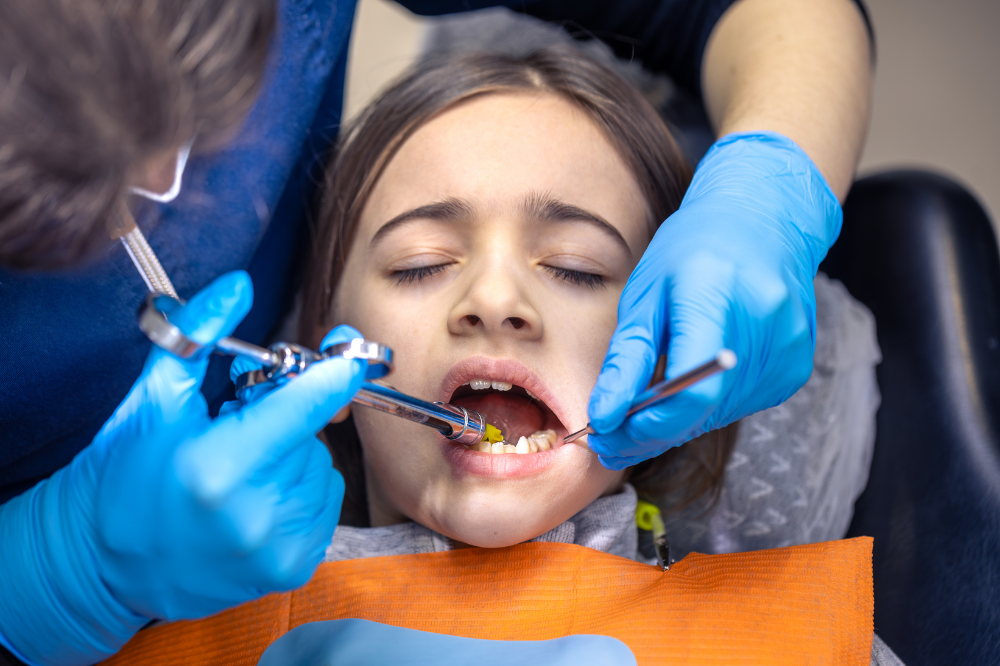
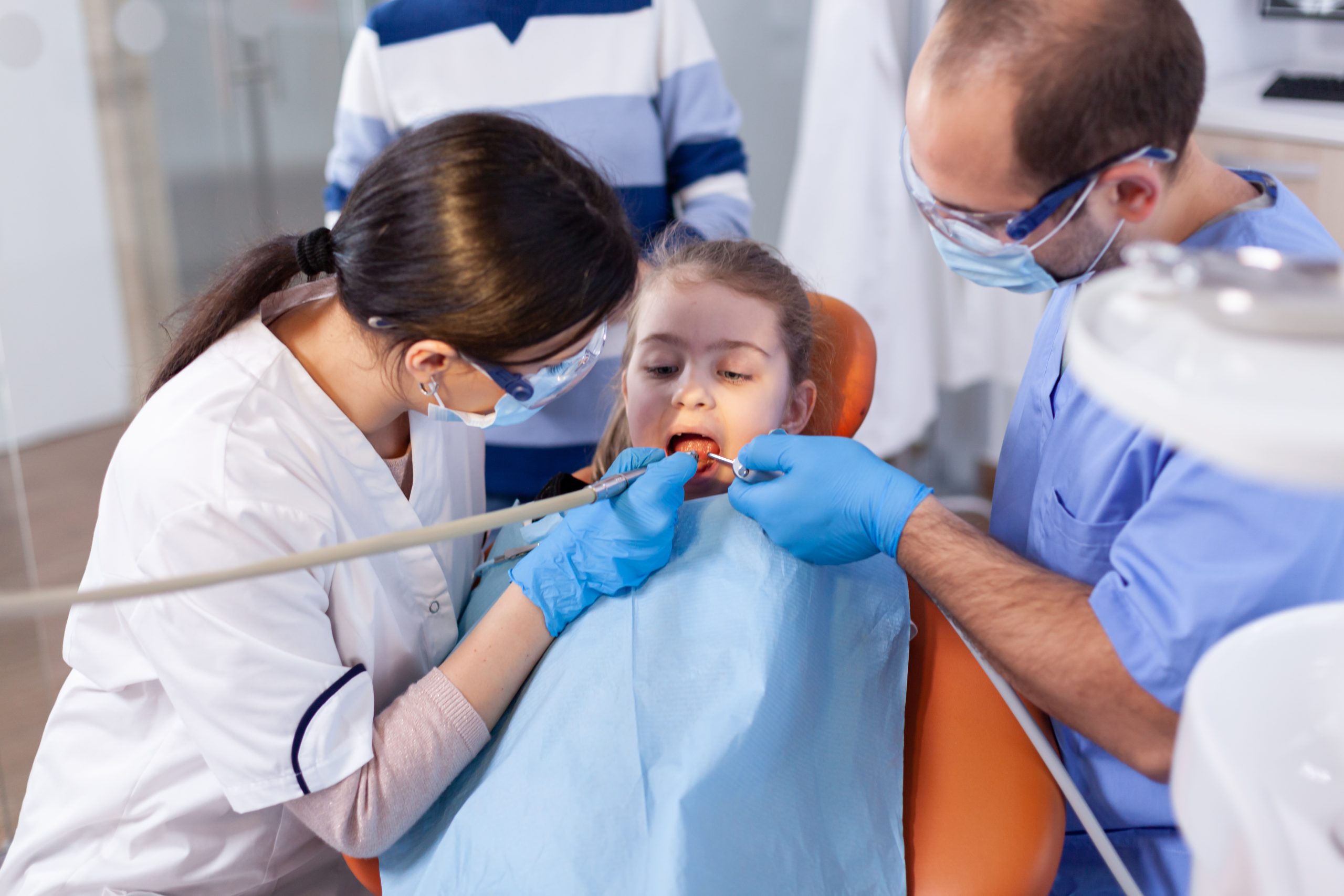
The process of putting on a sealant is very easy and does not involve any shots or drilling. The tooth is cleaned, dried, and painted with a thin liquid that gets hard under a special blue light.
Having a team that explains these steps in a fun way helps your child feel brave and happy about taking care of their mouth.
Making Room For A Healthy Mouth
While keeping teeth clean is a top priority, the team also looks at how the mouth is growing.
Sometimes, using orthodontic expanders for children is needed to widen the top jaw so teeth aren’t too crowded.
- Better Breathing: A wider mouth can actually help a child breathe easier through their nose.
- Room to Grow: Widening the jaw makes sure those big adult teeth have plenty of space to grow straight.
- Bite Match: Fixing the width of the mouth early helps stop jaw pain when they get older.
- Cleaning Ease: Teeth that aren’t bunched together are much easier to keep clean and free of germs.
How To Take Care Of Sealants At Home?
Once the sealants are on, they can last for many years, but they still need a little care to stay in good shape.
- Regular Checks: During every cleaning, the team will check to make sure the cover hasn’t chipped.
- Watch Hard Snacks: Chewing on ice or very hard candy can sometimes crack the protective layer.
- Daily Brushing: Even with a shield, the sides and gums of the teeth still need to be brushed twice a day.
- Rinse with Water: Drinking water after a meal helps wash away sugar that might sit on the edges of the sealant.
A Healthy Smile Starts with a Simple Step
Taking the time to protect your child’s teeth now is a gift that keeps on giving. Whether your child is six or sixteen, keeping their back teeth safe from cavities is the best way to make sure they grow up with a happy smile. You deserve the peace of mind that comes with knowing your child won’t have to deal with a big toothache or a scary filling.
By acting while the teeth are still healthy, you are helping your child learn great habits.
At Peninsula Children’s Dentistry, we are here to give your family the kind and expert care you need to stay healthy.
Are you ready to give your child’s teeth a strong shield against cavities? Contact Peninsula Children’s Dentistry today to set up your visit and see if sealants are right for your child!
Frequently Asked Questions
Is the sealant material safe for my kid?
Yes, it is a special plastic that is totally safe and has been used for a long time to protect young smiles.
Does it taste bad or feel funny?
It might have a tiny “vitamin” taste for a second, and the tooth might feel a little “tall” for an hour, but that goes away fast.
What if a sealant falls off?
The team can clean the spot and put on a new layer during a normal visit to keep the tooth safe again.
Will my insurance pay for a teen’s sealants?
Many plans pay for this until age 14 or 15, so it is a good idea to check your specific plan to see.